
Sold out
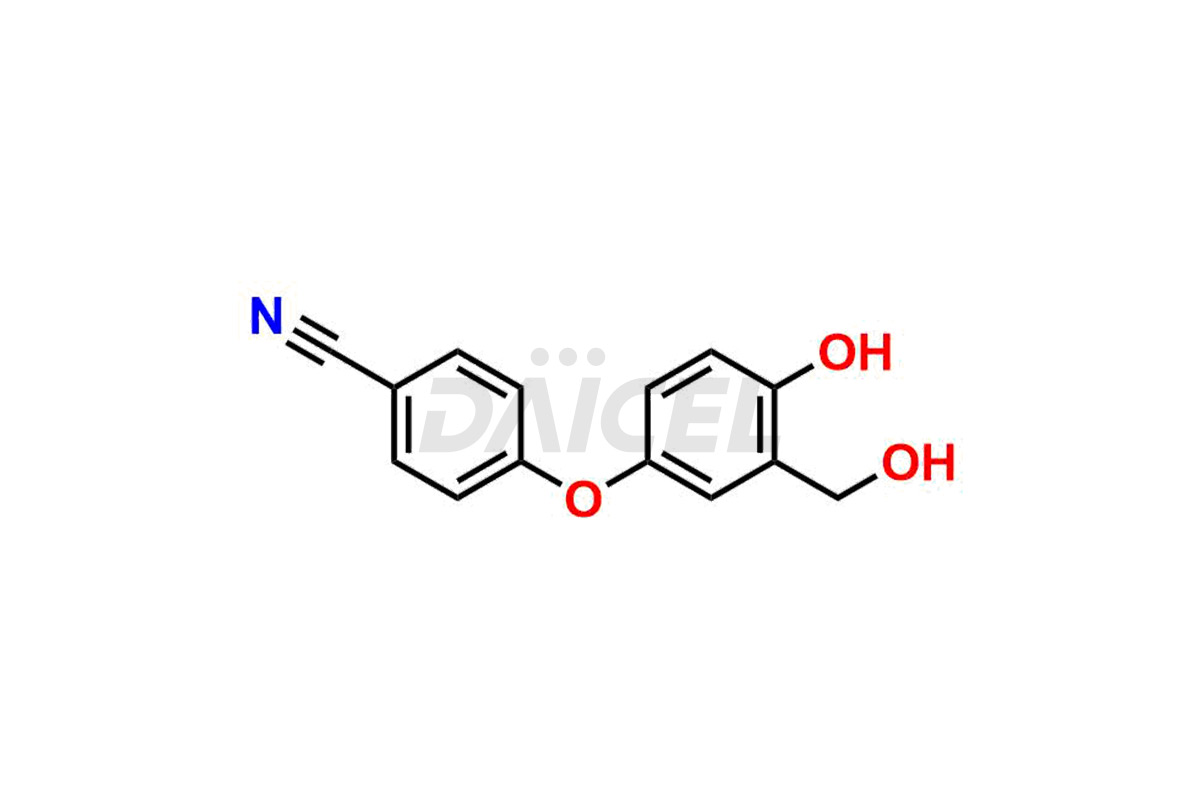
Sold out
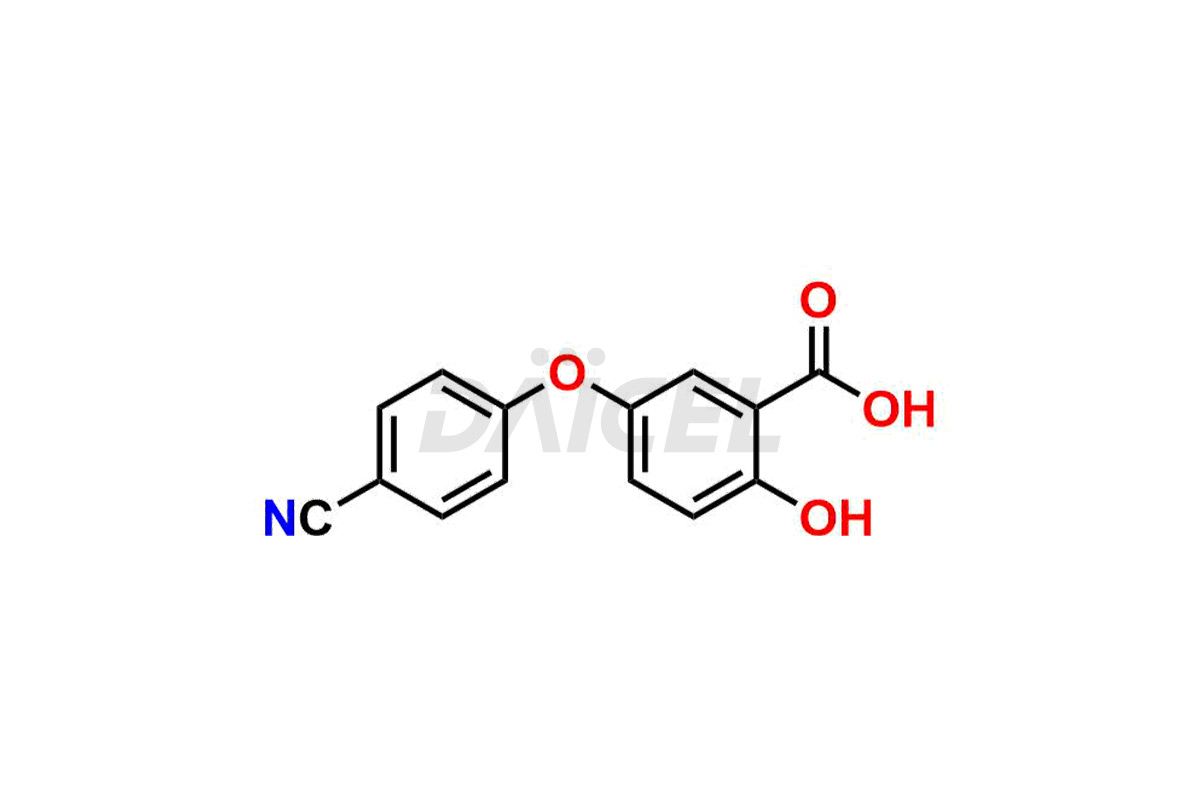
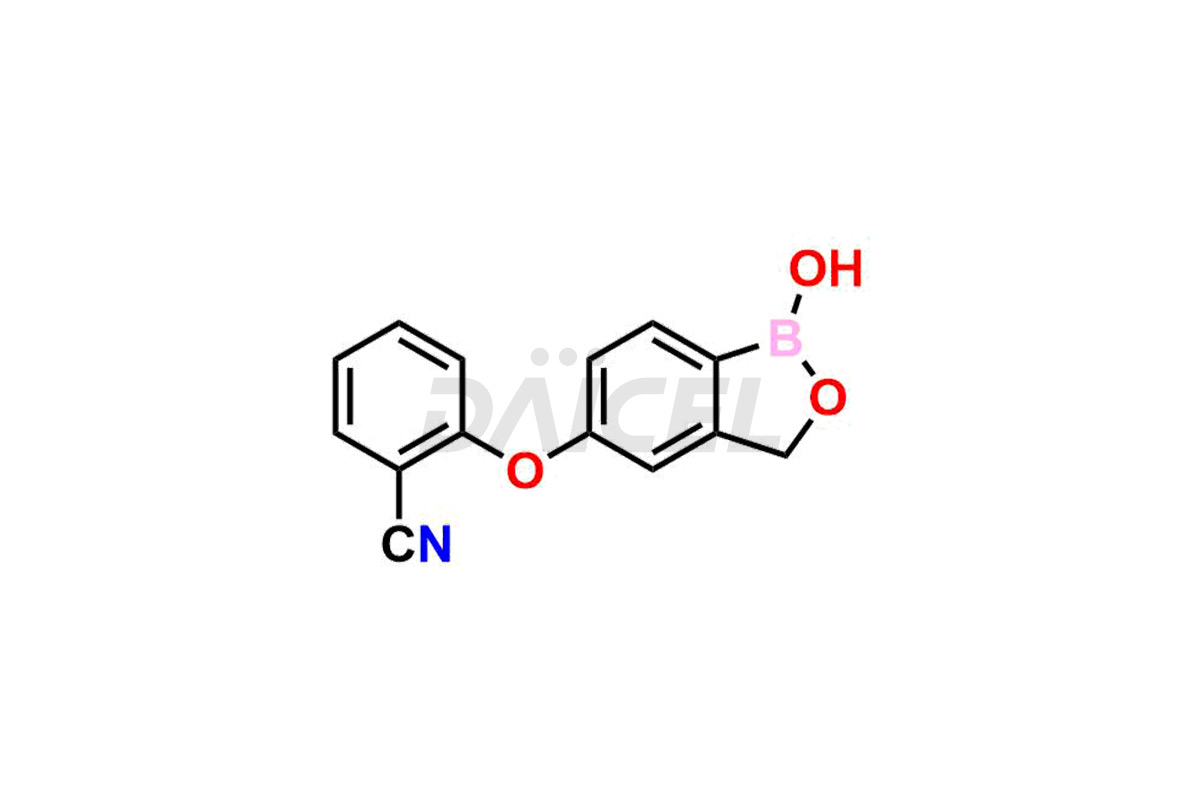
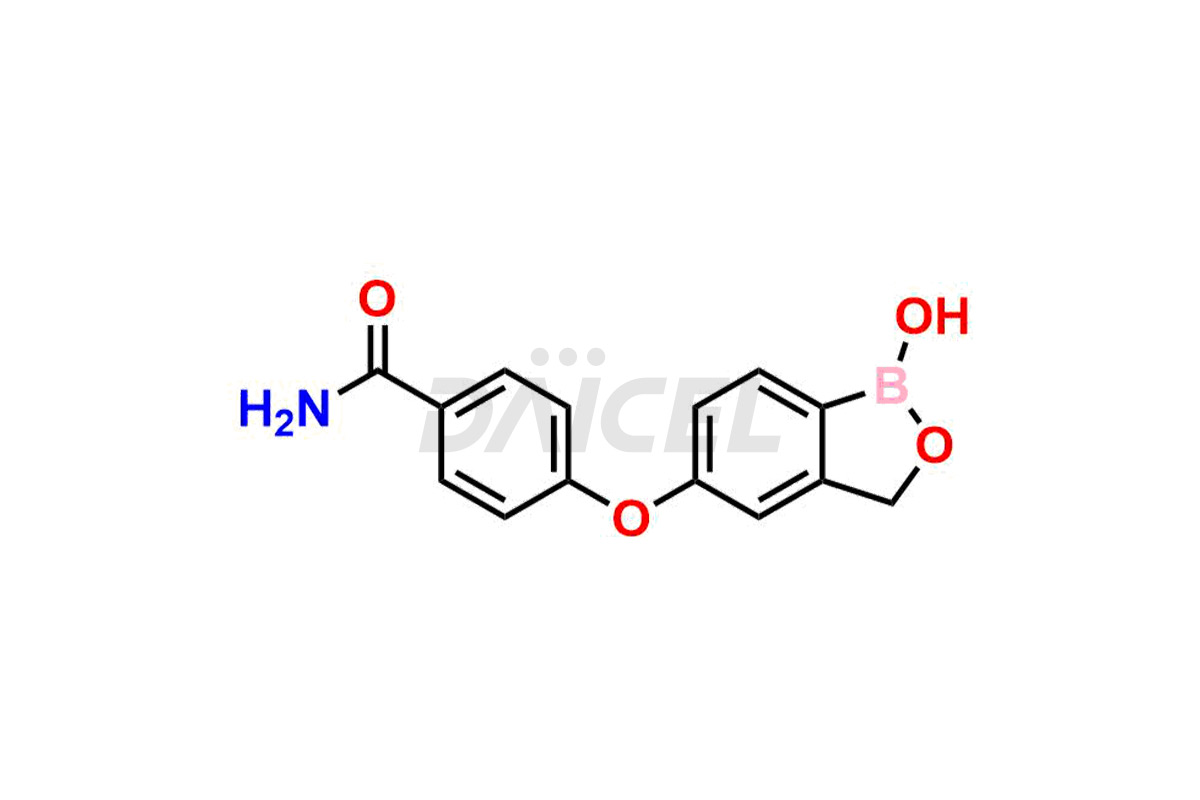
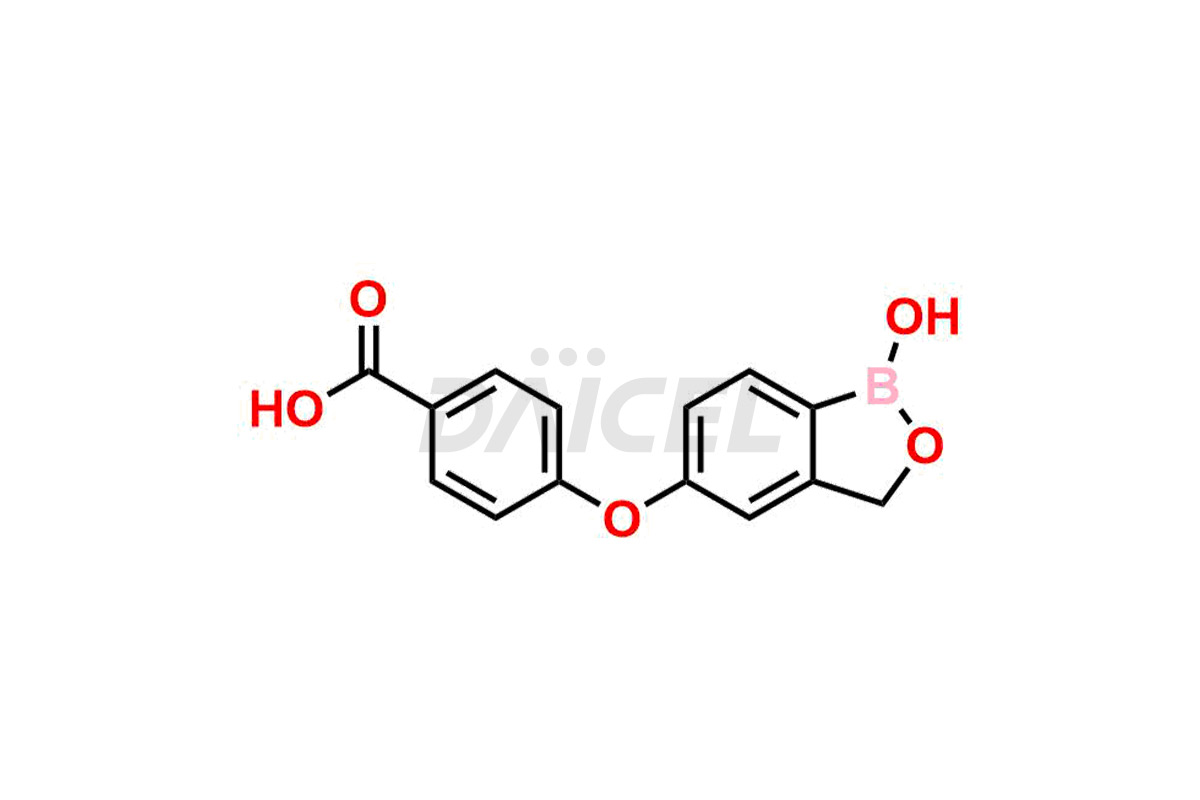
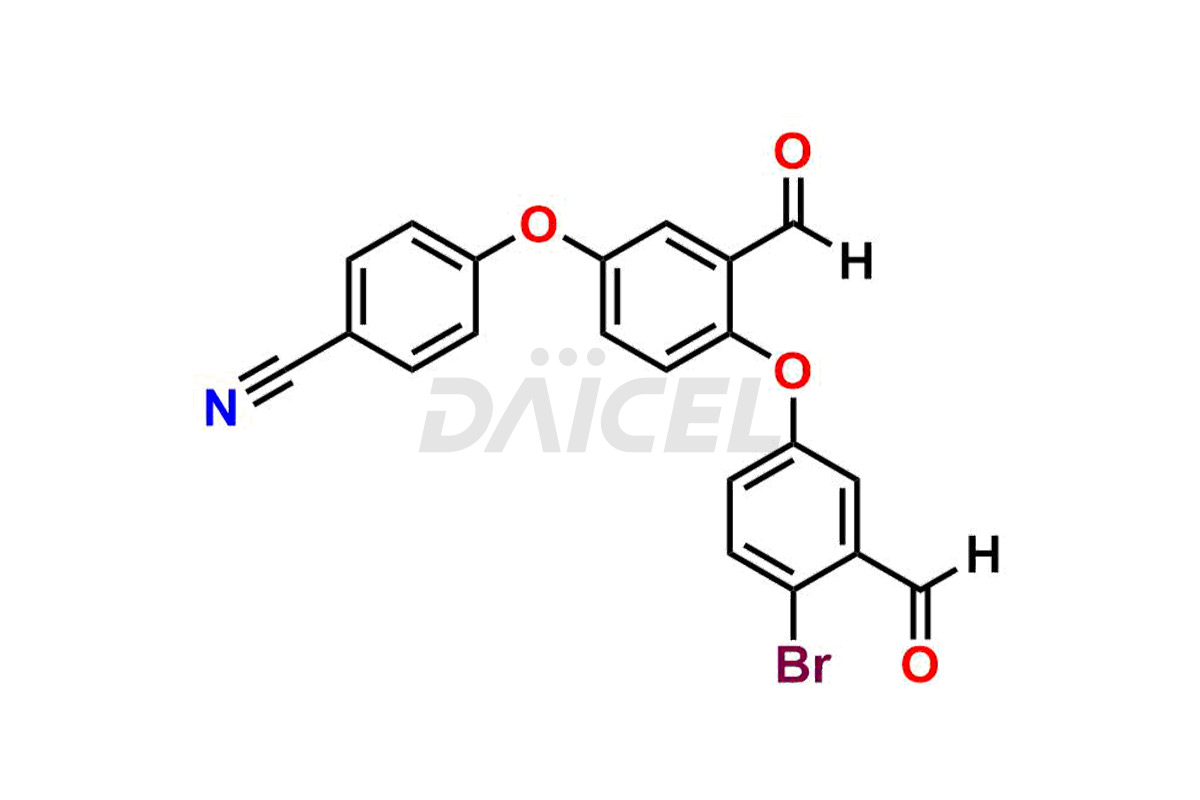
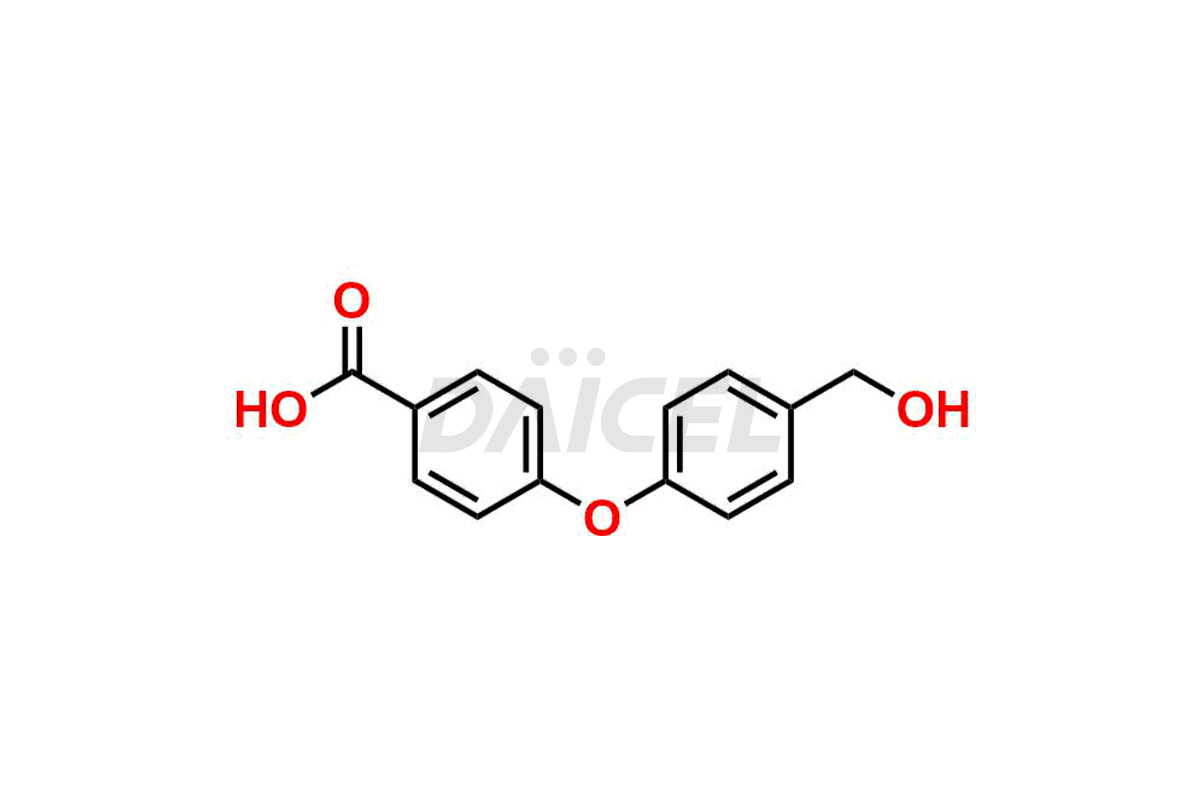
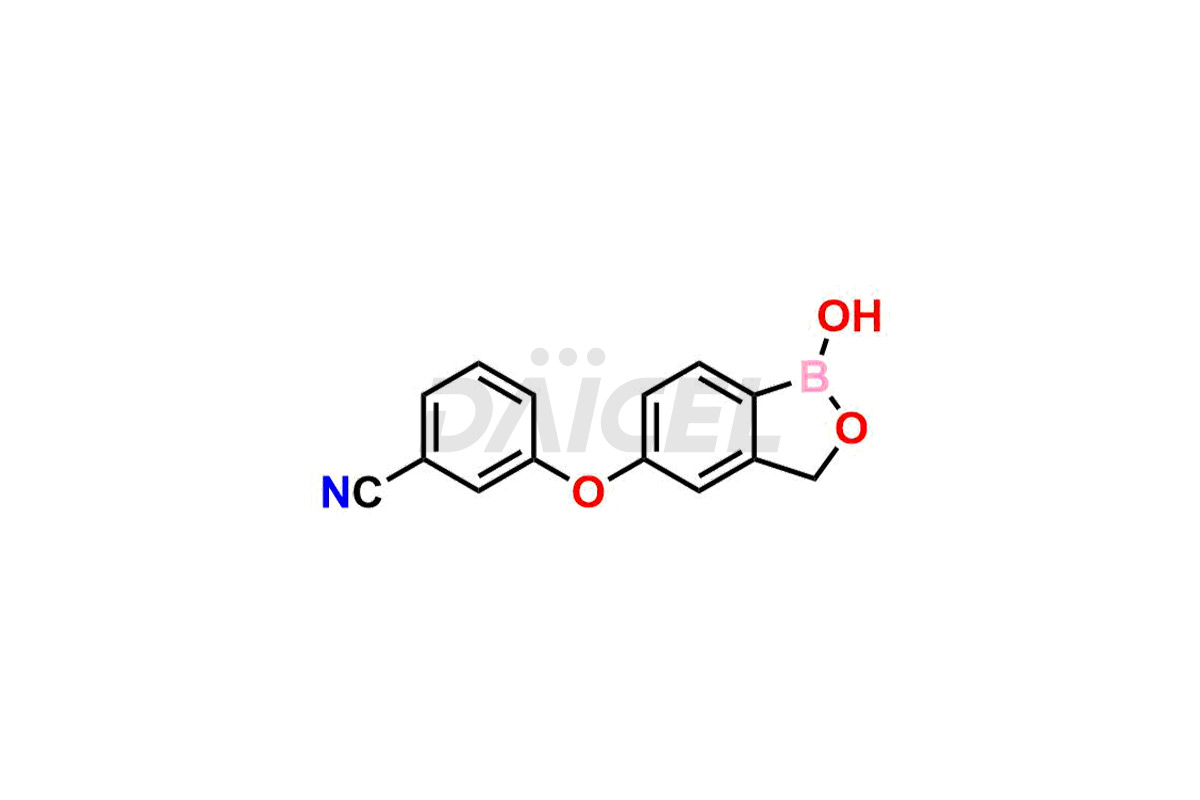
Daicel Pharma synthesizes Crisaborole impurities of exceptional quality, such as 4-(4-(4-bromo-3-formylphenoxy)-3-formylphenoxy)benzonitrile, O-isomer of Crisaborole, 5-(3-cyanophenoxy)-1,3-dihydro-1-hydroxy-2,1-benzoxaborole/m-Crisaborole, and so on. These impurities are crucial to assess the purity, reliability, and safety of Crisaborole, an active pharmaceutical ingredient. Besides, Daicel Pharma provides custom synthesis of Crisaborole impurities to meet clients’ demands for delivery worldwide.
The US FDA-approved Crisaborole [CAS: 906673-24-3] is a nonsteroidal anti-inflammatory PDE4 inhibitor for treating mild to moderate atopic dermatitis (AD) in patients aged two years and older.
Crisaborole is a phosphodiesterase-4 (PDE4) inhibitor that increases cyclic adenosine monophosphate (cAMP) levels and reduces inflammation. This nonsteroidal topical medication is utilized for treating mild to moderate atopic dermatitis (AD) and has shown efficacy in reducing itch in AD. Eucrisa is the brand name under which Crisaborole is available in the market.
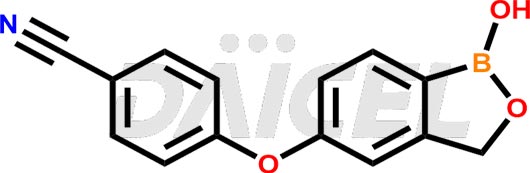
The chemical name of Crisaborole is 4-((1-hydroxy-1,3-dihydrobenzo[c][1,2]oxaborol-5-yl)oxy)benzonitrile. Its chemical formula is C14H10BNO3, and its molecular weight is approximately 251.05 g/mol.
Crisaborole inhibits phosphodiesterase 4 (PDE-4), which increases cyclic adenosine monophosphate (cAMP) levels.
During the synthesis1, storage, and handling of Crisaborole, impurities can form through various pathways such as side reactions, degradation, or contaminants in raw materials. It is necessary to analyze and control them to ensure the drug’s safety, efficacy, and quality. Common Crisaborole impurities include related substances, process-related impurities, and residual solvents. Analytical techniques like HPLC and LC are employed to detect and quantify these impurities, allowing their control within acceptable limits to maintain integrity.
Daicel Pharma offers a Certificate of Analysis (CoA) for Crisaborole impurity standards, such as 4-(4-(4-bromo-3-formylphenoxy)-3-formylphenoxy)benzonitrile, O-isomer of Crisaborole, 5-(3-cyanophenoxy)-1,3-dihydro-1-hydroxy-2,1-benzoxaborole/m-Crisaborole, and so on, generated from an analytical facility compliant with cGMP standards. The CoA includes a comprehensive characterization report comprising data from techniques like 1H NMR, 13C NMR, IR, MASS, and HPLC purity2. Furthermore, on request, we give additional data like 13C-DEPT and CHN. Daicel Pharma can synthesize unknown Crisaborole impurities or degradation products. A complete characterization report accompanies every delivery.
Yes, different formulations of Crisaborole may have varying impurity profiles due to differences in manufacturing processes, excipients used, and formulation factors. Each formulation requires specific impurity control measures.
Challenges in the synthesis and control of Crisaborole impurities include developing synthetic routes, identifying them, and implementing effective control strategies to ensure the drug's purity and quality.
Acetonitrile or Methanol are the solvents used for analyzing many impurities in Crisaborole.
Crisaborole impurities are stored at a controlled room temperature between 2-8 °C or as indicated on the Certificate of Analysis (CoA).
Note: Products protected by valid patents by a manufacturer are not offered for sale in countries having patent protection. The sale of such products constitutes a patent infringement, and its liability is at the buyer's risk.